Search Engine Optimization (SEO) plays a key role in digital marketing. It helps your businesses improve online visibility, reach the right audience, and drive conversions. To succeed with SEO, you need a clear strategy and a step-by-step plan.
In this article, we will explore the 4 primary stages of SEO, providing insights into each phase and its importance in building a strong online presence.
Research and Analysis
A successful SEO strategy begins with thorough research and analysis. This stage includes understanding your target audience, identifying relevant keywords, analyzing competitors, and evaluating your website’s current performance.
Here are the key components of this phase:
- Keyword Research
Keyword research helps you find out which words and phrases your audience uses to find your products, services, or related information. Tools such as Google Keyword Planner, SEMrush, and Ahrefs identify high-value keywords with strong search volume and reasonable competition.
- Competitor Analysis
Analyzing your competitors allows you to understand their strengths and weaknesses. Reviewing their content, backlinks, and keyword strategies reveals opportunities to improve your search rankings.
- Website Audit
A comprehensive website audit identifies technical issues, including broken links, slow load times, and poor mobile responsiveness. Tools such as Screaming Frog and Google Search Console help diagnose and resolve these problems to improve site performance.
On-Page Optimization
Once the research phase is complete, the next step is on-page optimization. This stage focuses on improving your website’s structure, content, and HTML elements to make it more search-engine-friendly.
Key aspects of on-page optimization include:
- Content Optimization
High-quality, relevant, and engaging content is essential for SEO. Incorporate target keywords naturally and address your audience’s needs. Use headings (H1, H2, H3), bullet points, and images to enhance readability.
- Meta Tags
Optimize meta titles and descriptions for each page on your website. These elements act as a preview for search engines and users, so they should be compelling and include relevant keywords.
- URL Structure
Ensure your URLs are clean, descriptive, and easy to read. Avoid long or complex URLs with unnecessary parameters.
- Internal Linking
Strategically link pages within your website to help users navigate easily and improve the flow of link equity across your site.
- Mobile Optimization
As search engines like Google prioritize mobile-first indexing, it’s essential to ensure your website is responsive and performs well on mobile devices.
Off-Page Optimization
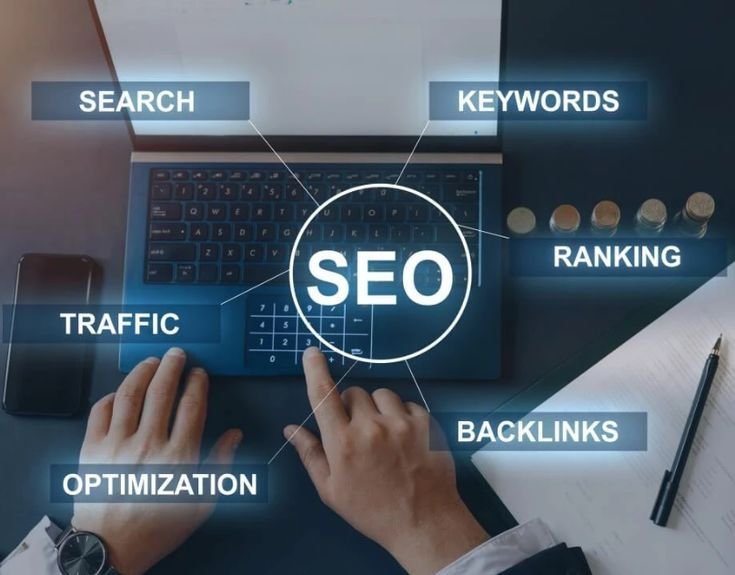
Off-page optimization is about building your website’s authority and reputation on the internet. It includes actions you take outside your site to boost its credibility and search rankings.
Here are the key parts of off-page SEO:
- Backlink Building
Getting quality backlinks from trusted websites is important for boosting your domain authority. Try to create useful content that people want to share, or reach out to industry influencers to build connections.
- Social Media Engagement
Although social media signals do not directly affect SEO rankings, they can increase website traffic and enhance brand visibility. Share your content on social platforms to boost engagement and reach.
- Online Reputation Management
Positive reviews and mentions of your brand can enhance trustworthiness in the eyes of both users and search engines. Monitor online reviews and respond promptly to maintain a strong reputation.
- Local SEO
If you operate a local business, optimize your Google Business Profile, request customer reviews, and maintain consistent Name, Address, and Phone Number information across all directories.
Performance Monitoring and Adjustment
SEO is not a one-time effort; it requires ongoing monitoring and adjustments based on performance data. This final stage ensures that your strategy remains effective over time.
Key activities include:
- Tracking Metrics
Use analytics tools like Google Analytics or SEMrush to measure key metrics, including organic traffic, bounce rate, conversion rate, and keyword rankings.
- Analyzing Results
Evaluate the effectiveness of your SEO efforts by comparing data over time. Identify areas where performance is lagging and investigate potential causes.
- Making Adjustments
SEO algorithms change frequently, so it’s important to monitor industry trends and adjust your strategy as needed. This may include updating content, refining keywords, or enhancing your website’s technical performance.
- Reporting
Regular reporting helps you share progress and results clearly with stakeholders. Make sure your reports highlight key achievements and areas for improvement.
Conclusion
Understanding and implementing the four primary stages of SEO, Research and Analysis, On-Page Optimization, Off-Page Optimization, and Performance Monitoring, can significantly enhance your website’s visibility and drive sustainable growth for your business.
By following this structured approach, you can build a strong foundation for long-term success in the competitive digital environment.
Are you ready to take your SEO strategy to the next level? Let UCreative help you achieve your goals with expert guidance and tailored solutions. Contact us today to start building your online presence!